 18 May 2026
 Share
Share
1
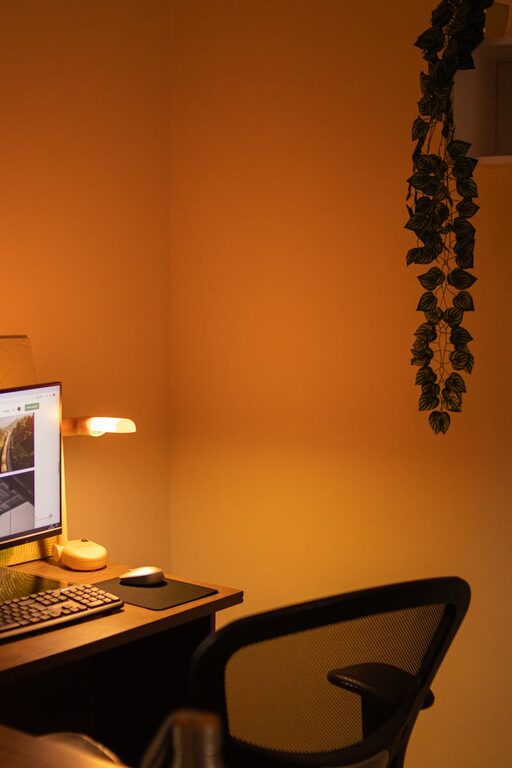
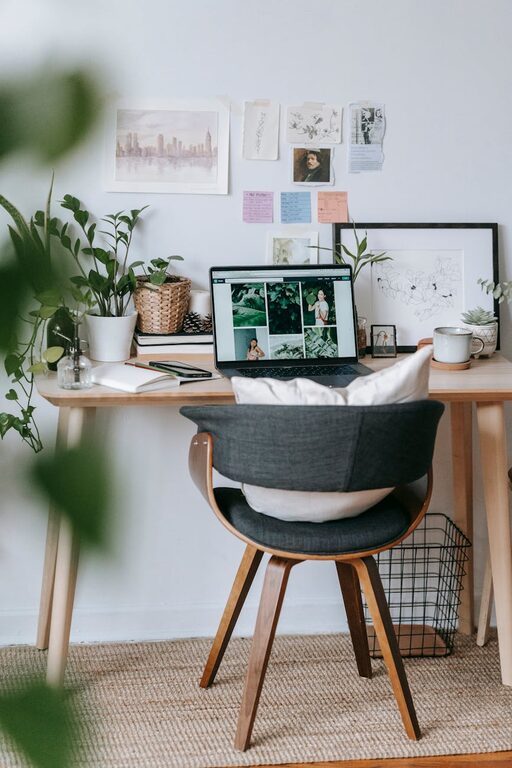
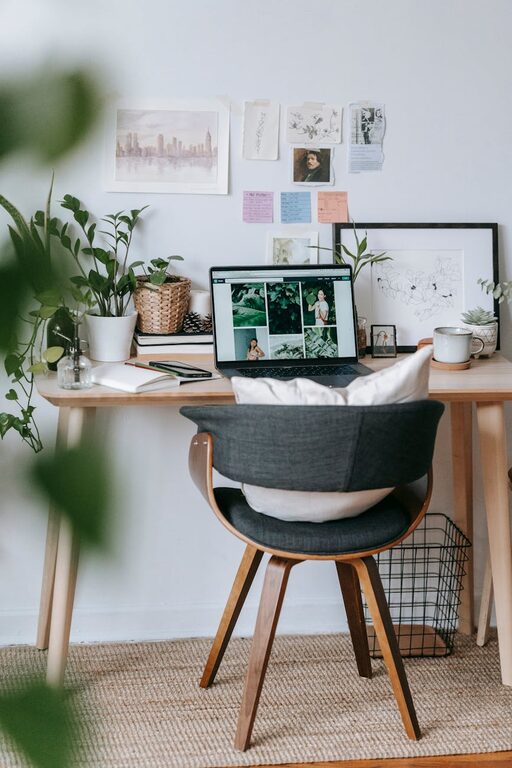
Creating a home office that is both cozy and productive can make a significant difference in your daily work routine. Whether you work remotely full-time or need a dedicated spot for occasional tasks, designing a space that encourages focus while feeling inviting is key. This guide offers practical tips and ideas to help you create a home office that supports your work style and well-being.
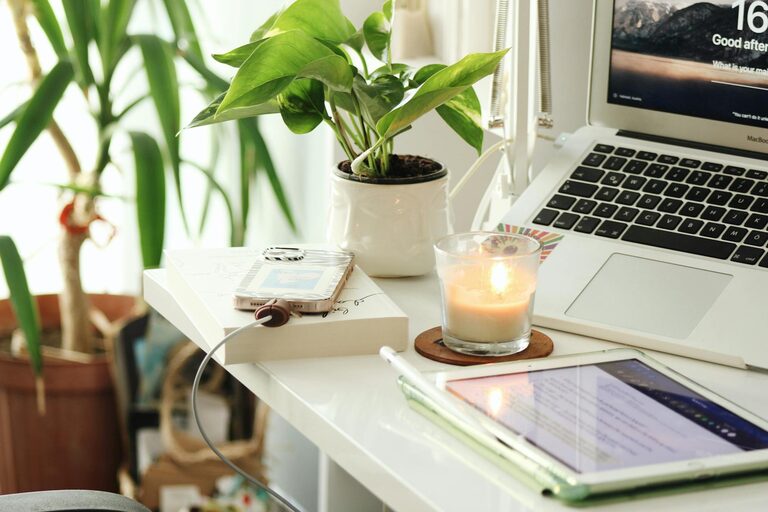
Placing your workspace near a window can improve mood and energy levels. Natural light reduces eye strain and makes the space feel more open. If natural light isn’t available, invest in quality lighting that mimics daylight.
Pick a quiet area in your home where interruptions are less likely. If absolute silence isn’t possible, consider noise-cancelling headphones or soft background music.
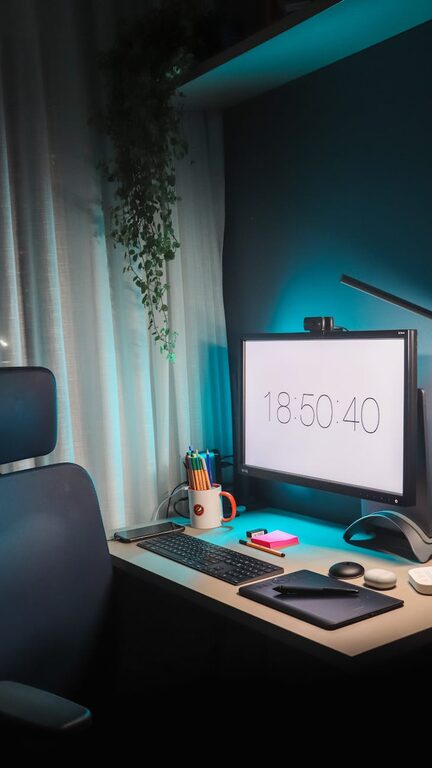
An ergonomic chair supports your posture, reducing the risk of back pain during long work sessions. Look for adjustable features to customize height and lumbar support.
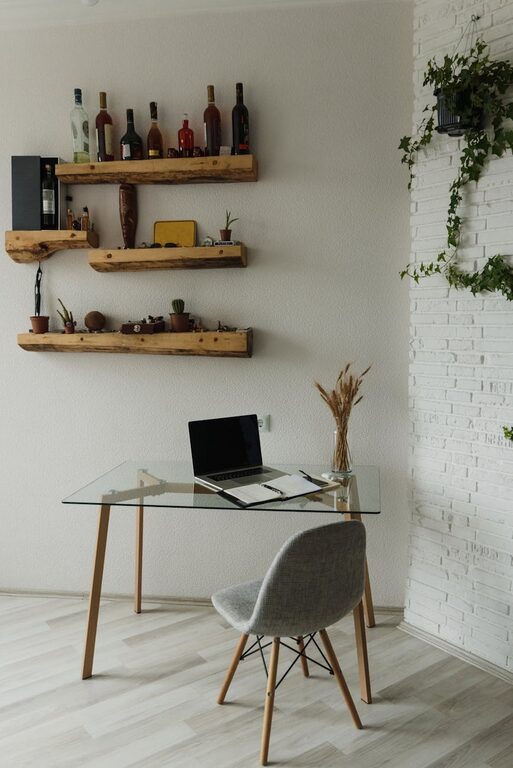
Select a desk that fits your available space and work needs. Standing desks or adjustable desks offer the option to alternate between sitting and standing.
Shelves, drawers, or filing cabinets keep your supplies organized and within reach, helping maintain a clutter-free environment.
Keep only essential items on your desk. Clutter can distract and make it difficult to focus.
Desk trays, cable management systems, and pen holders help maintain order and prevent messes.
Designate areas for different tasks, such as a computer zone, a brainstorming area with a whiteboard or notebook, and a storage section.
Throw blankets, cushions, or a small rug can make your office feel cozy and welcoming.
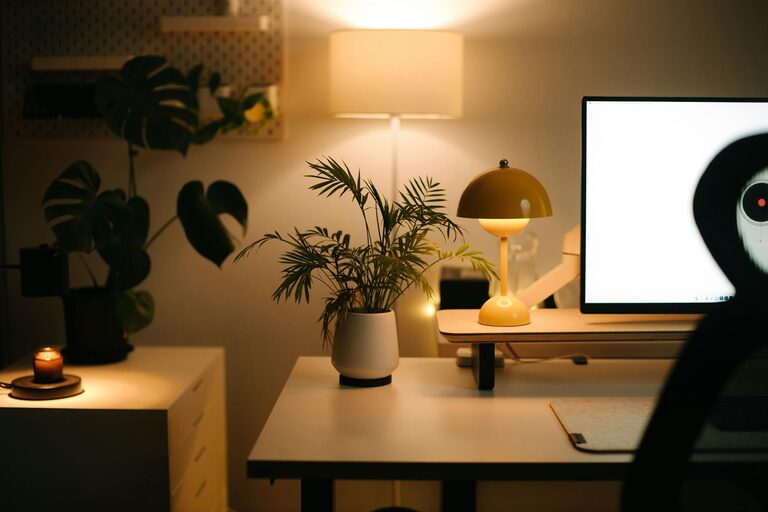
Indoor plants improve air quality and add a touch of nature, which can reduce stress.
Photos, artwork, or inspirational quotes can boost your mood and motivation.
Combine ambient lighting with task lights. Desk lamps focused on your work area reduce eye strain.
Ensure your computer screen brightness matches your room lighting to avoid glare.
Step away from your desk every hour to stretch or walk around. Short breaks can increase productivity and reduce fatigue.
Establish clear work hours and stick to them. Communicate your schedule with family or housemates to minimize interruptions.
Keep a water bottle nearby and plan healthy snacks to maintain energy throughout the day.
Keep your computer desktop and folders tidy to find documents quickly.
Task managers, calendars, and focus apps can help you stay on track and manage your time efficiently.
Your work habits might change over time, so be open to rearranging your space or upgrading equipment as needed.
If your home office doubles as a guest room or hobby area, use modular furniture or folding desks to maximize space.
—
Creating a home office that balances comfort and productivity doesn’t require a complete overhaul. Small adjustments tailored to your preferences and needs can transform your workday experience. By thoughtfully arranging your environment and routines, you can enjoy a space that helps you stay focused, relaxed, and motivated.