 18 May 2026
 Share
Share
1
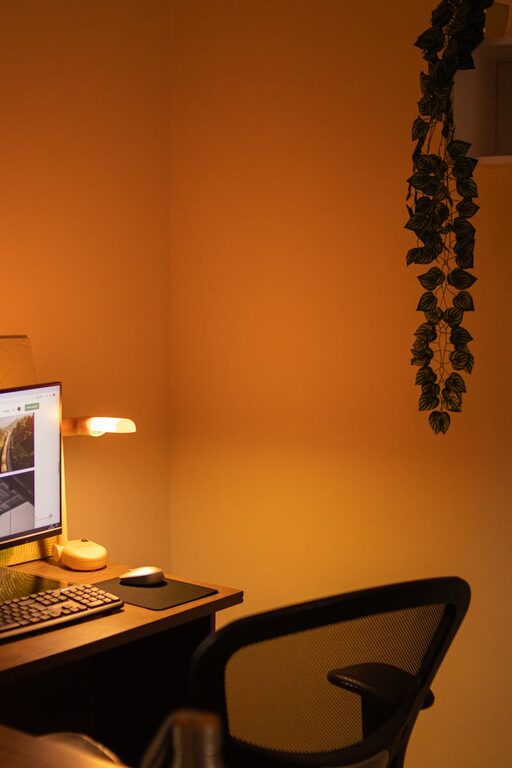
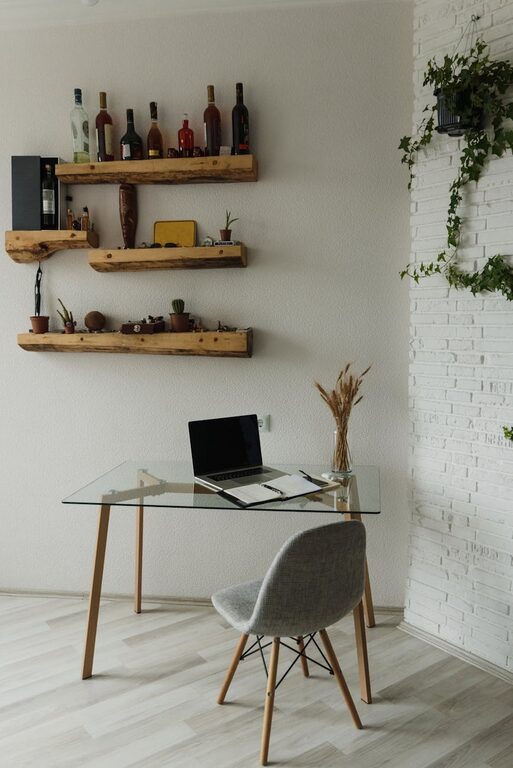
Creating a home workspace that feels both cozy and functional is essential for anyone working remotely or managing tasks from home. A well-designed workspace can improve focus, reduce stress, and make your workday more enjoyable. Whether you have a dedicated room or just a small corner, these tips will help you craft a workspace tailored to your needs.
Start by selecting a location that suits your work style and daily routine. Ideally, choose a quiet area with good natural light to reduce eye strain and boost your mood.
– Natural Light: Position your desk near a window if possible; natural daylight can increase alertness and positivity.
– Minimal Distractions: Avoid high-traffic zones in your home to maintain concentration.
– Comfortable Temperature: Ensure the space stays comfortably cool or warm, depending on your climate.
Comfort is key when working for hours at a time. An ergonomic setup helps prevent aches and boosts productivity.
– Desk: Choose a desk that fits your space and allows you to keep your arms at a 90-degree angle while typing.
– Chair: Invest in an adjustable chair with good lumbar support.
– Monitor Height: Keep your monitor at eye level to avoid neck strain.
Adding personal touches makes the space inviting, but too much clutter can disrupt focus.
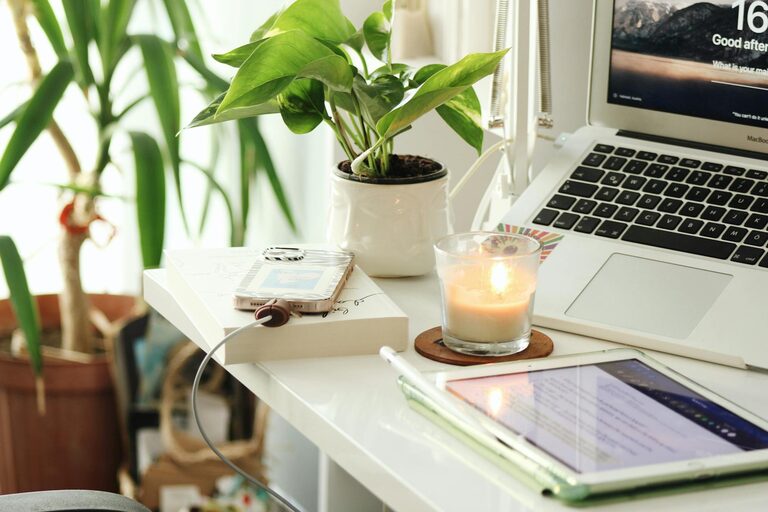
– Decorate Thoughtfully: Use items like photos, plants, or art that inspire you.
– Organize Supplies: Use containers, drawers, or shelves to keep pens, papers, and devices neatly stored.
– Limit Decorations: Keep decoration minimal to avoid visual distractions.
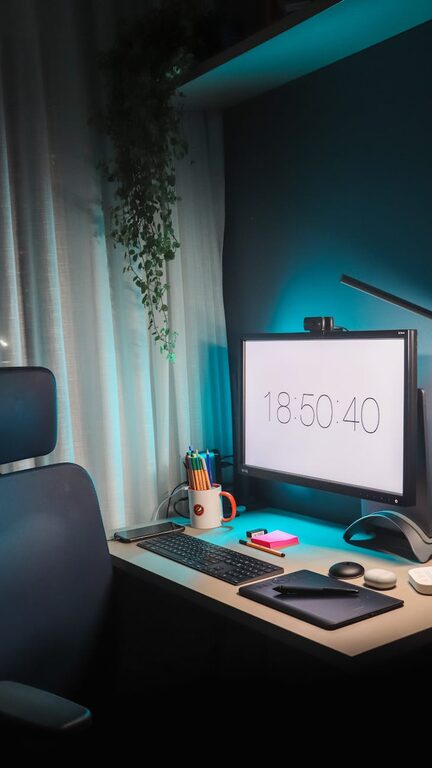
Besides natural light, good artificial lighting is crucial, especially for early mornings or late evenings.
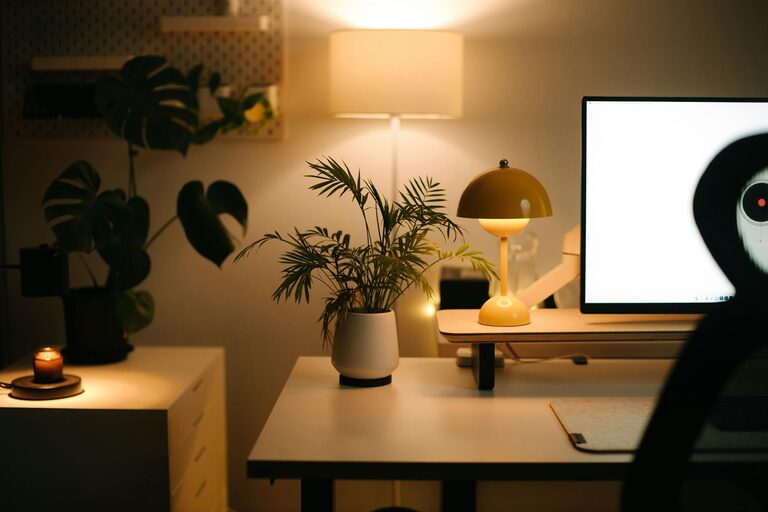
– Task Lighting: A desk lamp with adjustable brightness helps focus light where you need it.
– Avoid Glare: Position lights and screens to minimize glare and reflections.
– Warm Light Tones: Use warm or neutral light bulbs to create a cozy atmosphere.
A tidy workspace reduces frustration and saves time.
– Cable Organizers: Use clips or covers to bundle cords neatly.
– Wireless Devices: Opt for wireless keyboards, mice, and headphones to reduce cable clutter.
– Charging Station: Designate a spot for charging your devices to keep them ready without mess.
Having the right storage keeps your workspace organized and functional.
– Shelves and Cabinets: Vertical storage uses space efficiently and keeps supplies within reach.
– Drawer Dividers: Separate small items to avoid rummaging.
– Filing Systems: Maintain documents and bills in labeled folders to stay on top of paperwork.
Make your workspace a place you want to spend time in by enhancing comfort.
– Soft Textiles: Add a cozy rug or cushions to your chair.
– Temperature Control: Use a fan, heater, or humidifier as needed.
– Greenery: Indoor plants can improve air quality and create a calming environment.
Creating mental and physical boundaries helps maintain work-life balance.
– Define Workspace Limits: Use a room divider or rugs to visually set your workspace apart.
– Set Work Hours: Stick to a schedule to prevent overworking.
– Take Breaks Away from Your Desk: Step outside or move to another room during breaks to refresh your mind.
Your needs might change, so design your workspace to adapt easily.
– Multi-purpose Furniture: Choose tables or desks that can fold or adjust.
– Modular Storage: Use storage that can be reconfigured as your collection grows or shrinks.
– Portable Accessories: Items like rolling carts or clip-on lamps let you rearrange your space.
—
By thoughtfully combining comfort, organization, and personalization, you can create a home workspace that not only meets your functional needs but also provides a cozy atmosphere. This balance enhances well-being and productivity, making working from home a pleasant and efficient experience.