 18 May 2026
 Share
Share
1
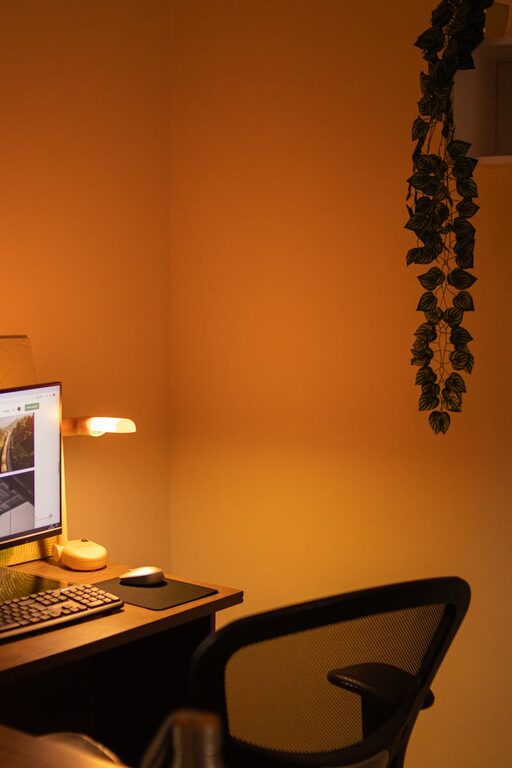
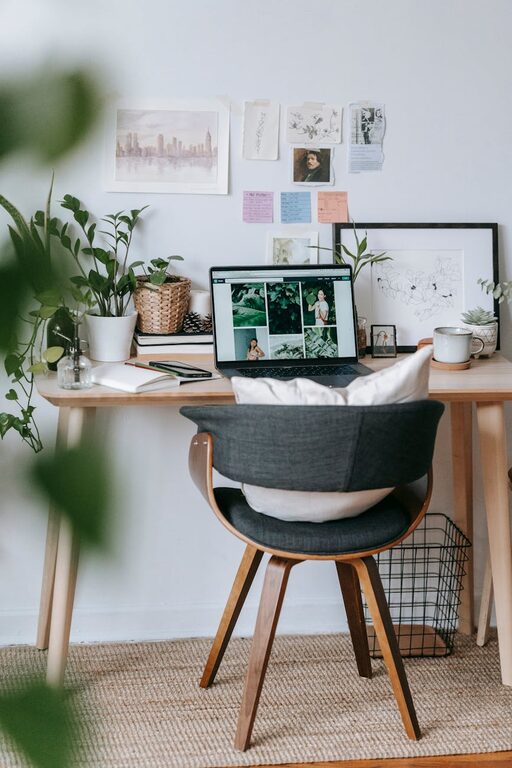
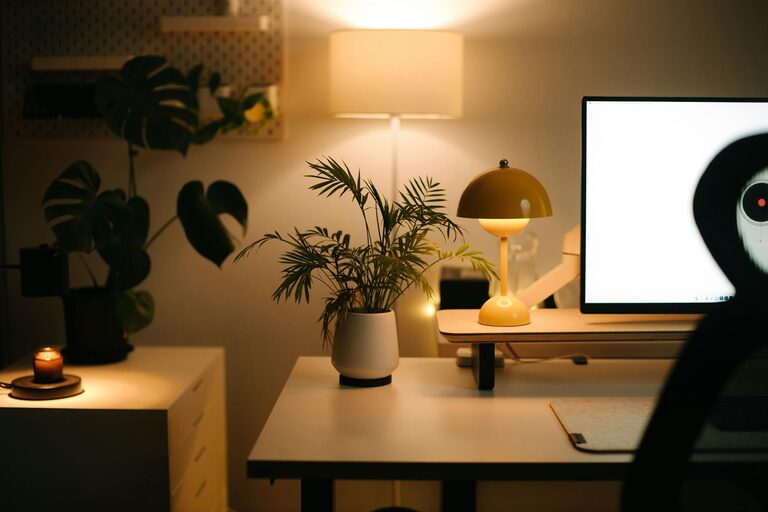
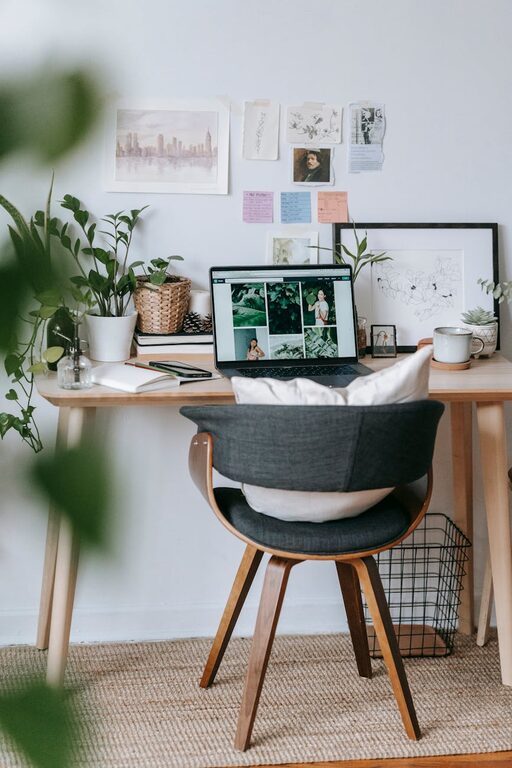
Creating a home office that is both cozy and productive can significantly enhance your work experience, especially as more people embrace remote work or flexible schedules. A well-designed workspace promotes focus, reduces stress, and can even improve your overall well-being. Whether you’re just setting up your home office or looking to improve an existing space, these tips will help you create an environment that balances comfort and efficiency.
Selecting the ideal spot for your home office is the first step toward creating a productive workspace.
– Quiet and Private: Aim for a location away from household noise and distractions. A separate room or a quiet corner of your home works best.
– Natural Light: Position your desk near a window to take advantage of natural light, which can boost your mood and energy levels.
– Ventilation: Good air circulation is important to stay alert and comfortable. Avoid cramped spaces without windows.
Comfort plays a key role in productivity. Ergonomic furniture supports good posture and reduces physical strain, helping you work longer without discomfort.
– Adjustable Chair: Choose a chair with adjustable height, lumbar support, and armrests.
– Desk Height: Your desk should allow you to keep your forearms parallel to the floor while typing.
– Footrest: Consider a footrest if your feet don’t comfortably reach the floor to prevent leg fatigue.
A cluttered workspace can negatively affect focus and efficiency. Keeping your office organized makes it easier to find what you need and keeps your mind clear.
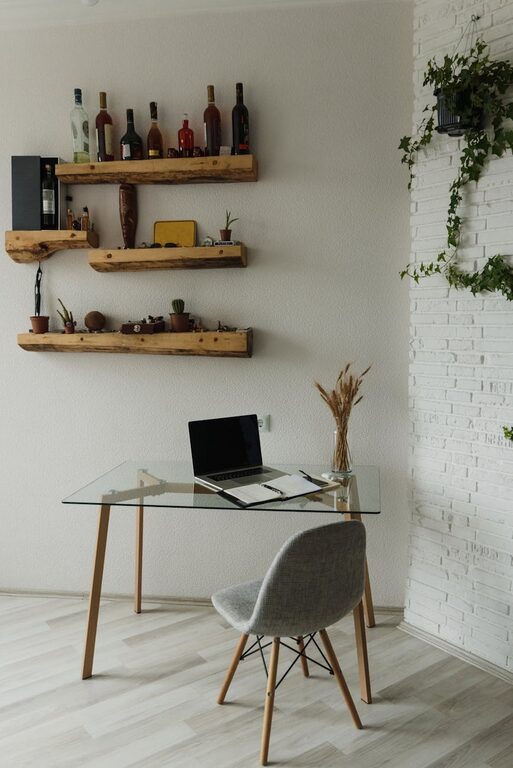
– Storage Solutions: Use shelves, filing cabinets, or baskets to store documents and supplies.
– Desk Accessories: Keep frequently used items within reach and use organizers for pens, notes, and gadgets.
– Cable Management: Use clips, sleeves, or trays to manage cables and avoid tangled wires.
Adding personal touches can make your home office feel more inviting and comfortable, which helps reduce stress.
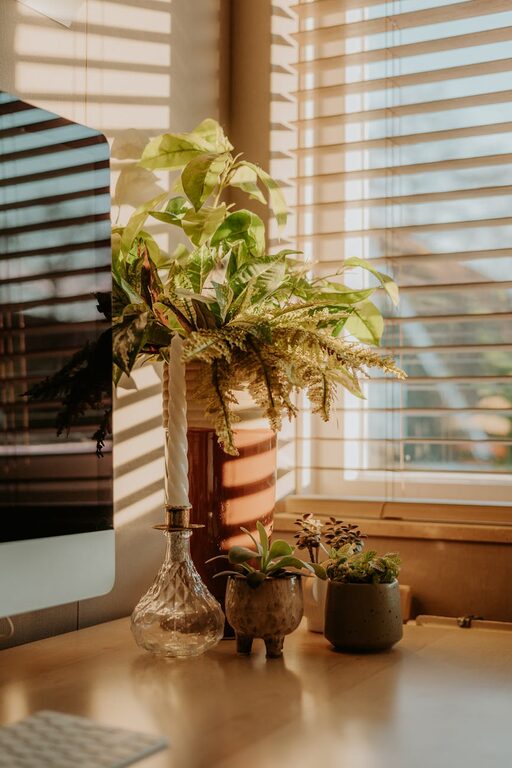
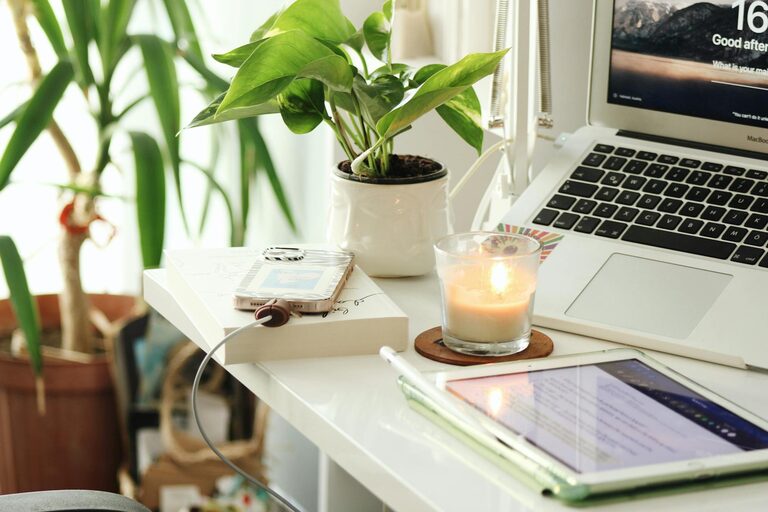
– Decor: Use artwork, photos, or plants to brighten your space.
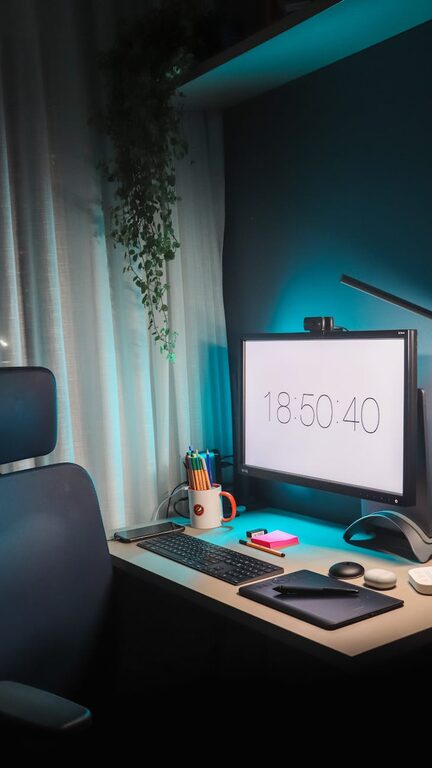
– Colors: Choose soothing or inspiring colors that make you feel motivated. Soft blues or greens often promote calmness.
– Lighting: Besides natural light, add adjustable lamps to maintain good lighting throughout the day.
Reducing distractions is essential to maintain concentration during work hours.
– Noise Control: Use noise-cancelling headphones or white noise machines if you can’t avoid background sounds.
– Phone Settings: Silence non-work-related notifications or keep your personal phone out of sight.
– Clear Boundaries: Communicate your work hours to family members to minimize interruptions.
Technology is key in a home office but should be set up thoughtfully to avoid clutter or frustration.
– Reliable Internet: Ensure your internet connection is fast and stable for video calls and online tasks.
– Essential Devices: Invest in a good-quality monitor, keyboard, and mouse for comfort and efficiency.
– Backup Power: Consider a surge protector or an uninterruptible power supply to protect your devices during outages.
Your environment matters, but routines are equally important to maintain productivity.
– Consistent Schedule: Set regular work hours and stick to them as much as possible.
– Breaks: Take short breaks to stretch, move, or relax your eyes.
– Start and End Rituals: Create rituals to signal the beginning and end of your workday, like making a cup of tea or tidying your desk.
Regular upkeep ensures your home office remains a pleasant place to work.
– Daily Tidying: Spend a few minutes each day organizing your space.
– Deep Cleaning: Schedule weekly or monthly cleaning to dust, vacuum, and sanitize surfaces.
– Reassess: Periodically reassess your setup and routine to make improvements as needed.
—
Designing a home office that feels both cozy and productive doesn’t require a complete overhaul. Small thoughtful changes in your space, furniture, organization, and habits can make a big difference. By prioritizing comfort and efficiency, you’ll create a workspace that supports your best work while keeping you comfortable throughout the day.