 18 May 2026
 Share
Share
1
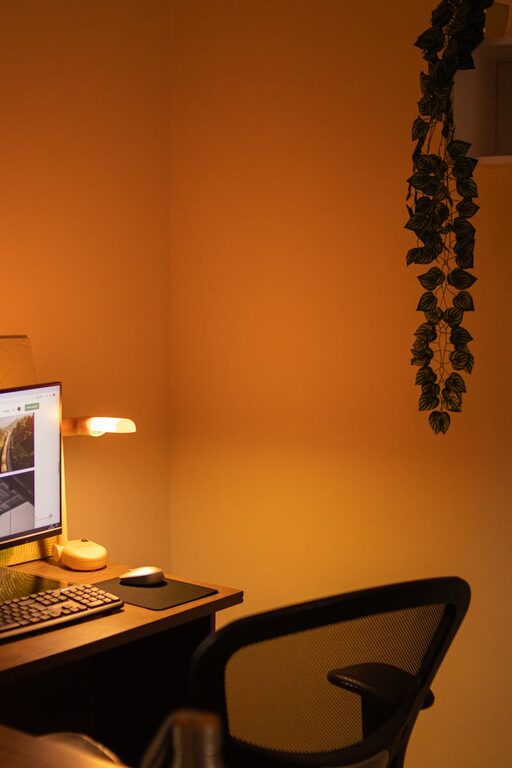
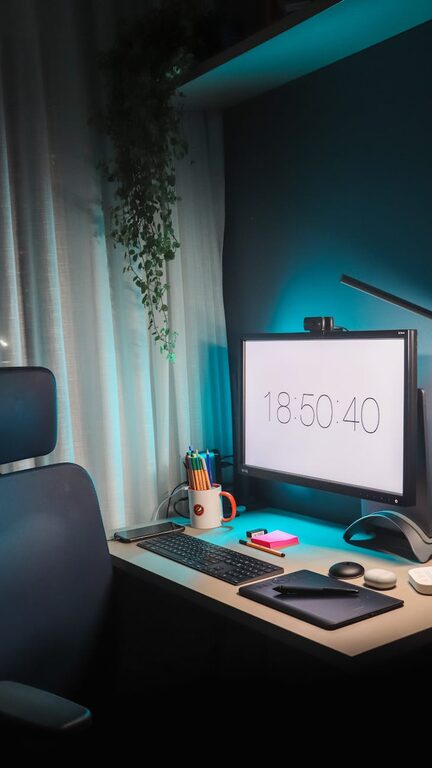
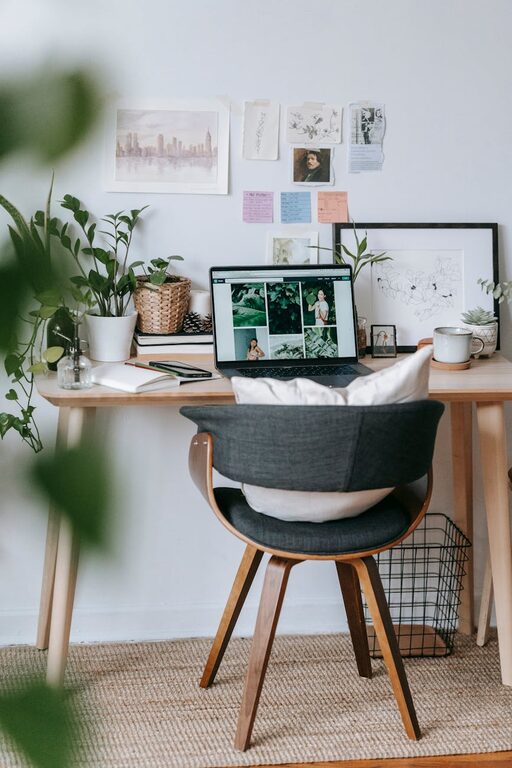
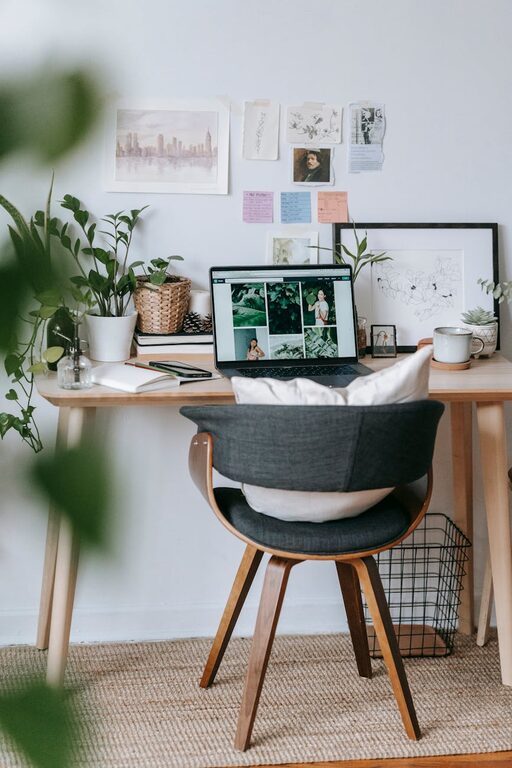
Creating a relaxing home workspace is essential for anyone working remotely or spending significant time at a desk. A well-designed area not only boosts productivity but also supports your comfort and overall wellbeing. In this post, we’ll explore practical tips to help you set up a calming workspace that invites focus and reduces stress.
Your environment plays a big role in how well you work. A cluttered or uncomfortable space may lead to distractions, fatigue, and decreased motivation. On the other hand, a relaxing workspace encourages better concentration, creativity, and job satisfaction.
Having a dedicated area for work helps your brain switch into “work mode” and can separate professional tasks from personal life, particularly important when working from home.
Start by selecting a spot in your home that feels quiet and has minimal foot traffic. Natural light is a big plus, as it can boost mood and reduce eye strain. If possible, position your desk near a window.
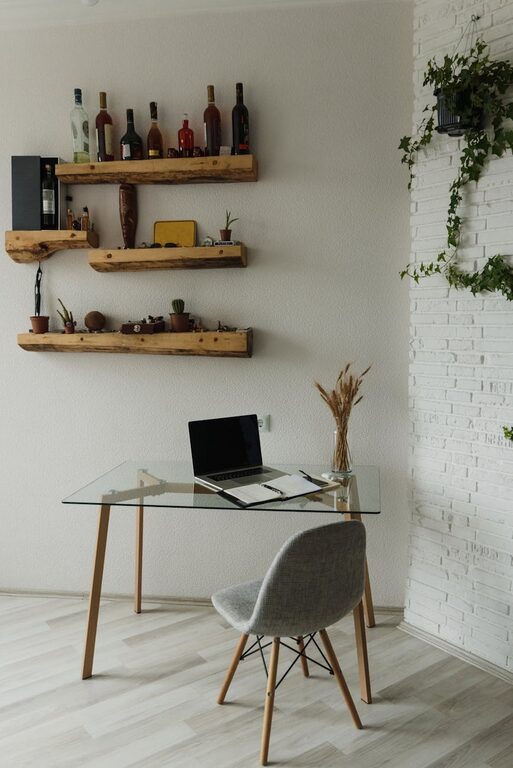
If you don’t have a separate room, try to set up your workspace in a corner or against a wall to create a sense of defined space. Consider using room dividers or shelving units to visually set your office apart from living areas.
Comfort begins with the right furniture. An ergonomic chair supports your lower back and encourages good posture, which helps avoid discomfort and long-term health issues. Your desk should be at a height where your forearms can rest parallel to the floor when typing.
Here are some furniture tips:
– Choose a chair with adjustable height and lumbar support.
– Ensure your feet can rest flat on the floor or on a footrest.
– Use a desk that fits your equipment without crowding.
– Add a separate keyboard and mouse if you use a laptop.
A tidy office prevents clutter from becoming a mental block. Use storage solutions like shelves, drawers, or baskets to keep supplies and documents out of sight but within reach.
Try these organization tips:
– Label storage containers for quick access.
– Use cable management tools to reduce tangled cords.
– Maintain a daily or weekly routine to clear your desk.
– Store only essential items on your desktop.
Colors can influence mood and productivity. Soft, neutral tones like pale blue, green, or beige often promote relaxation. Avoid overly bright or harsh colors that may cause fatigue.
Add elements that make the space inviting:
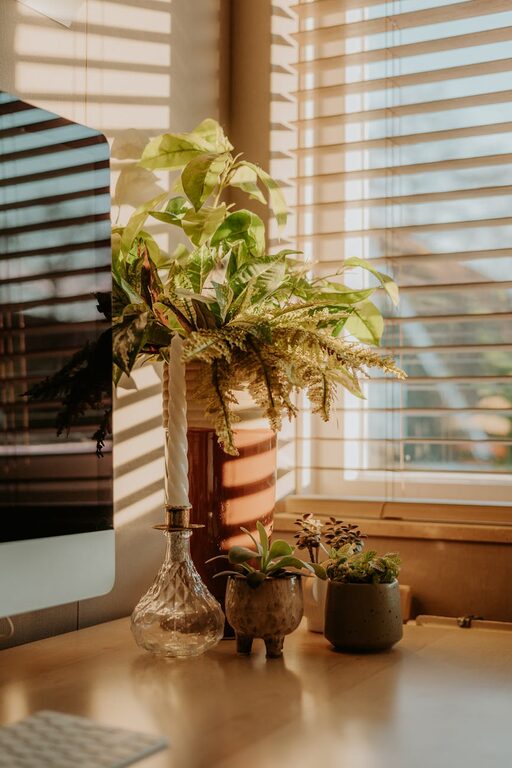
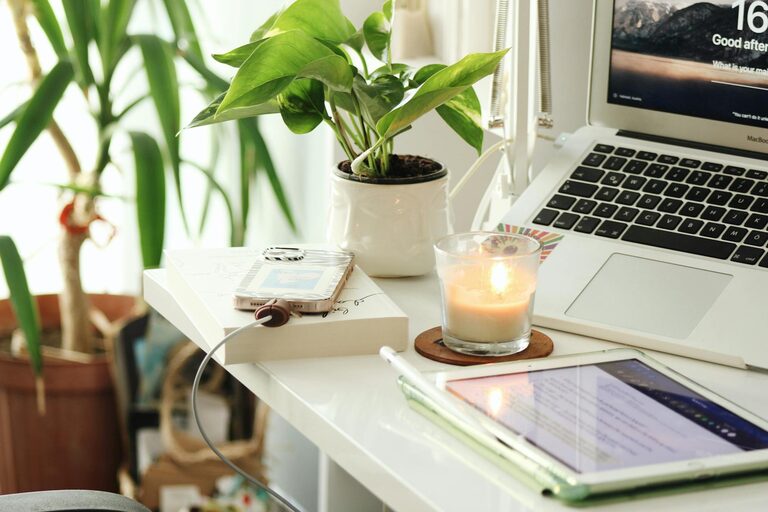
– Indoor plants to bring nature indoors.
– Art prints or photos that inspire or soothe you.
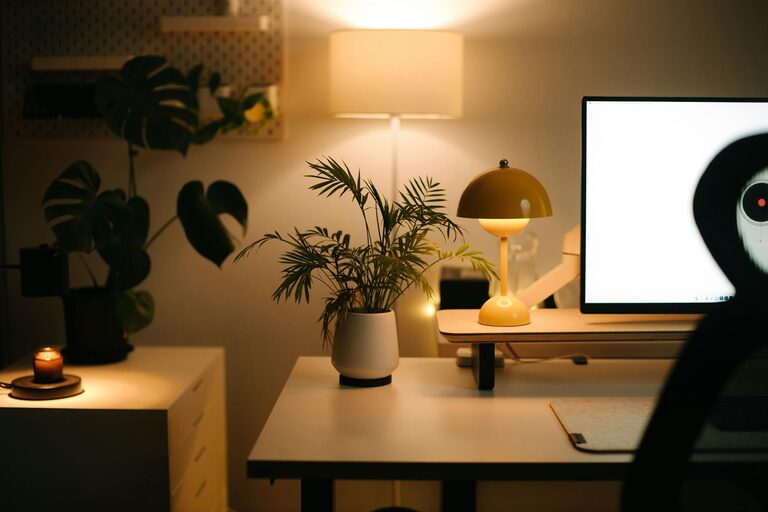
– Soft lighting options such as desk lamps or string lights.
– Textiles like a cozy rug or cushioned chair pad.
Sound can impact focus and relaxation. If you live in a noisy area, consider noise-canceling headphones or white noise machines to minimize distractions. Alternatively, playing gentle instrumental music or ambient sounds can improve concentration.
To avoid burnout, it’s important to step away from your workspace regularly. If possible, create a separate spot for breaks, like a comfy chair or window nook. Stretching or a brief walk helps refresh your body and mind.
Your tech setup should make work easier, not harder. Ensure your internet connection is reliable and your tools are updated. Use features like dual monitors for better multitasking and keep your digital workspace organized with folders and apps.
Remember to adjust screen brightness and distance to reduce eye strain.
Add personal touches that uplift you, but don’t let the space become cluttered or distracting. A favorite mug, motivational quote, or a small decorative object can make your workspace feel more welcoming.
Finally, support your productivity by incorporating healthy habits into your routine. Drink plenty of water, take stretch breaks, and keep good posture. A relaxing workspace helps, but your habits complete the picture.
—
Creating a relaxing home workspace is a balance of function and comfort. By choosing the right location, furniture, organization, and decor, you can cultivate an environment that supports your work and wellbeing every day. Start with small changes and tune your space to what feels best for you. Your productivity and comfort will thank you!