
 18 May 2026
 Share
Share
1
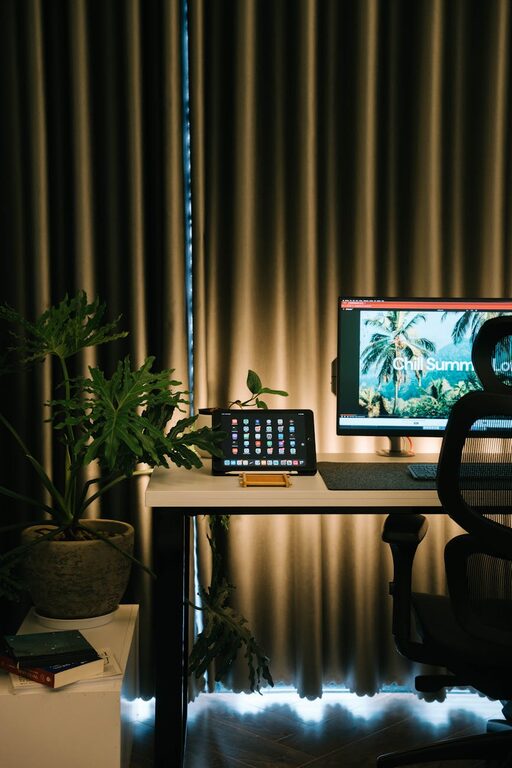
Creating a comfortable and productive home office is essential for anyone working remotely or spending significant time on personal projects. A well-designed workspace not only boosts efficiency but also promotes well-being and motivation. Here are some simple tips to help you craft a cozy and productive home office environment.
Pick a spot in your home that receives plenty of natural light. Sunlight can improve mood and increase alertness. If possible, set up your desk near a window to benefit from daylight throughout your day.
Choose a quiet area away from busy household traffic or noisy appliances. Having a dedicated space separate from your relaxation zones can help create a mental boundary between work and personal time.
Comfort is key when you spend hours sitting. Choose an ergonomic chair that supports good posture and prevents back pain. Pair it with a desk at the right height for you. Adjustable desks can offer flexibility if you like to alternate between sitting and standing.
Organize your desk so that frequently used items are easily accessible. This saves time and keeps your workflow smooth.
Incorporate soft textures like a plush rug, cushions, or a throw blanket. These touches add warmth and comfort, making your workspace inviting.
Decorate with artwork, plants, or photos that boost your mood and creativity. Plants, in particular, can improve air quality and add a refreshing natural element to your office.
While natural light is best, supplement it with good artificial lighting for overcast days or late hours. Use adjustable desk lamps with warm light to reduce eye strain.
Position your computer screen to avoid reflections from windows or overhead lights. If necessary, use blinds or curtains to control sunlight.
A clutter-free space reduces stress and distractions. Keep only what you need on your desk and store the rest neatly in drawers or shelves.
Incorporate shelves, filing cabinets, or baskets to keep papers and office supplies orderly. Label containers to find items quickly.
Make sure your computer, internet connection, and peripherals are reliable and up to date. Technical issues can interrupt your workflow and cause frustration.
Use cable organizers or clips to keep wires tidy and prevent tangling. A clean setup looks better and is safer.
Define when your workday starts and ends, even if you work from home. This helps maintain a healthy work-life balance.
If you share your home, let others know your schedule and workspace rules to minimize interruptions.
Consider noise-canceling headphones or white noise machines if your environment is noisy. These tools can help you concentrate better.
If space allows, create a nearby spot to take short breaks. A comfortable chair or a standing spot can refresh your mind during the day.
—
By implementing these tips, you can design a home office that not only looks inviting but also supports your productivity and well-being. Remember, the best workspace reflects your personal style and meets your unique work needs. Take your time to experiment and adjust until your home office feels just right.
